Curiosities,
Curated
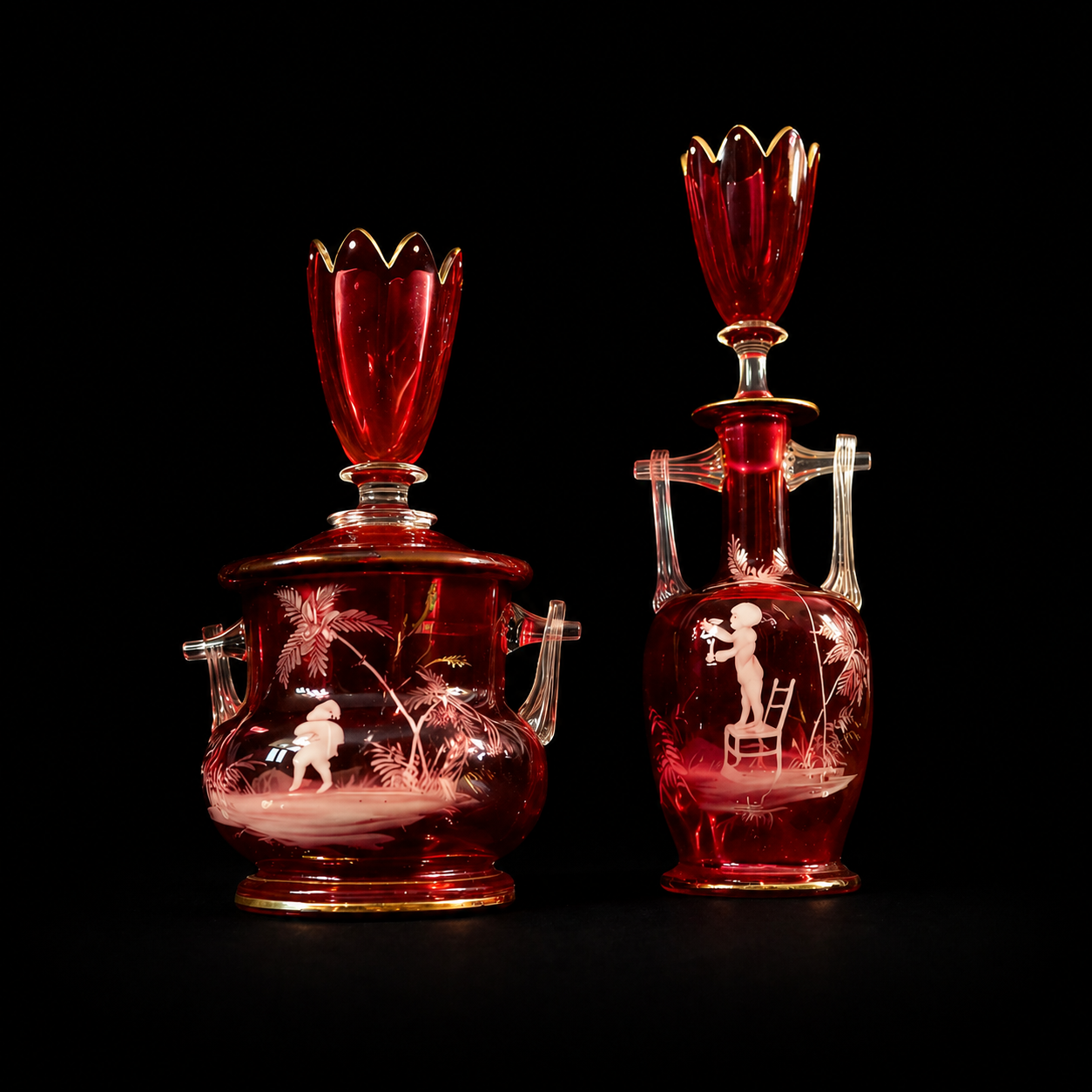
The Convent collection is comprised of a baffling mix of items. On one hand, there is an array of vintage and antique furniture, homewares, lighting, glassware, ceramics, artworks, and collectables with American, Oriental, Indochine, French, Belgian, German, English, Irish, and Southeast Asian provenance. On the other, there are treasures of another order; a mass of oddities - utterly random and quirky bits and bobs that though not the “fancy” kind of vintage/antique, are full of charm and intrigue.
At this stage, we are listing selected items from the collection for sale.
If you are on the hunt for a specific item, or are interested in high quality antique furniture, get in touch.
The collection can be viewed by appointment.
We are also open to bulk purchase inquiries.
Collection Highlights
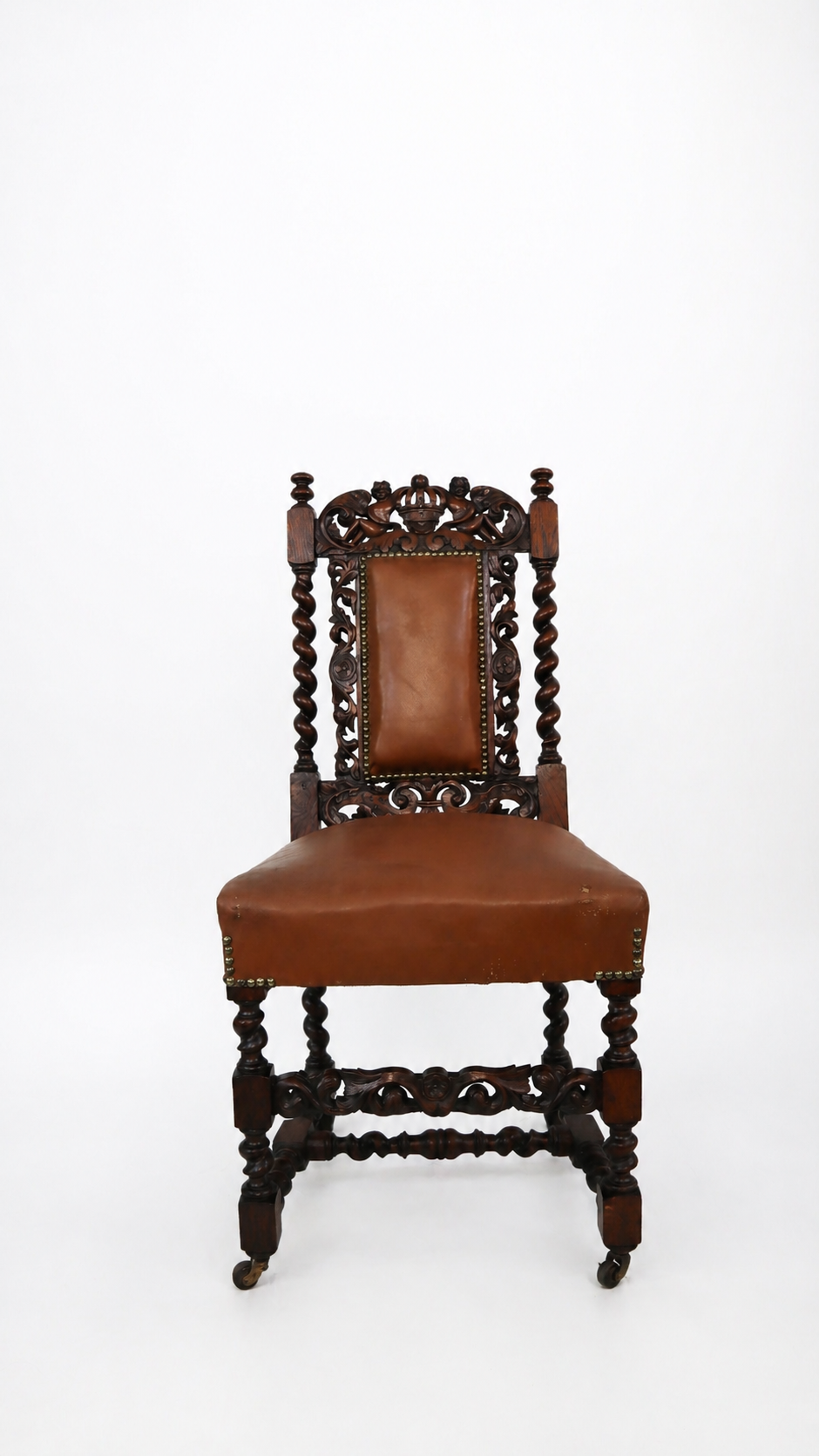
French and continental European antique dressers, sideboards, bookcases, chiffoniers, tables, cabinets, mirrors, dining tables and chairs, settees, armchairs, and decor. Styles include Neoclassical, Rococo, Gothic, and Baroque Revival, and Louis XV - XVI.
Late 18th-early to mid 19th Century American furniture from the east coast, west coast, and mid west in a variety of styles - including Eastlake, Aesthetic Movement, and Classical Revival.
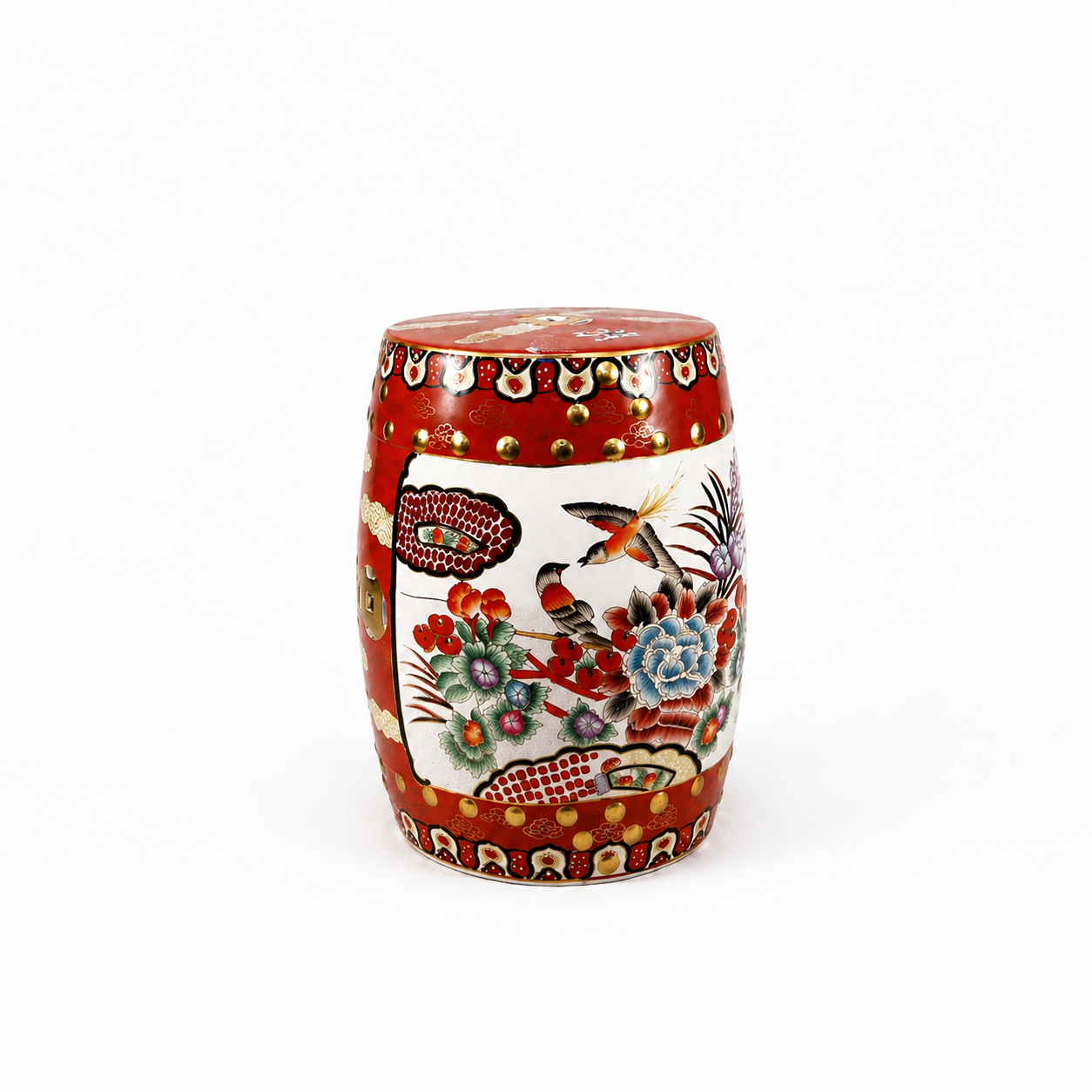
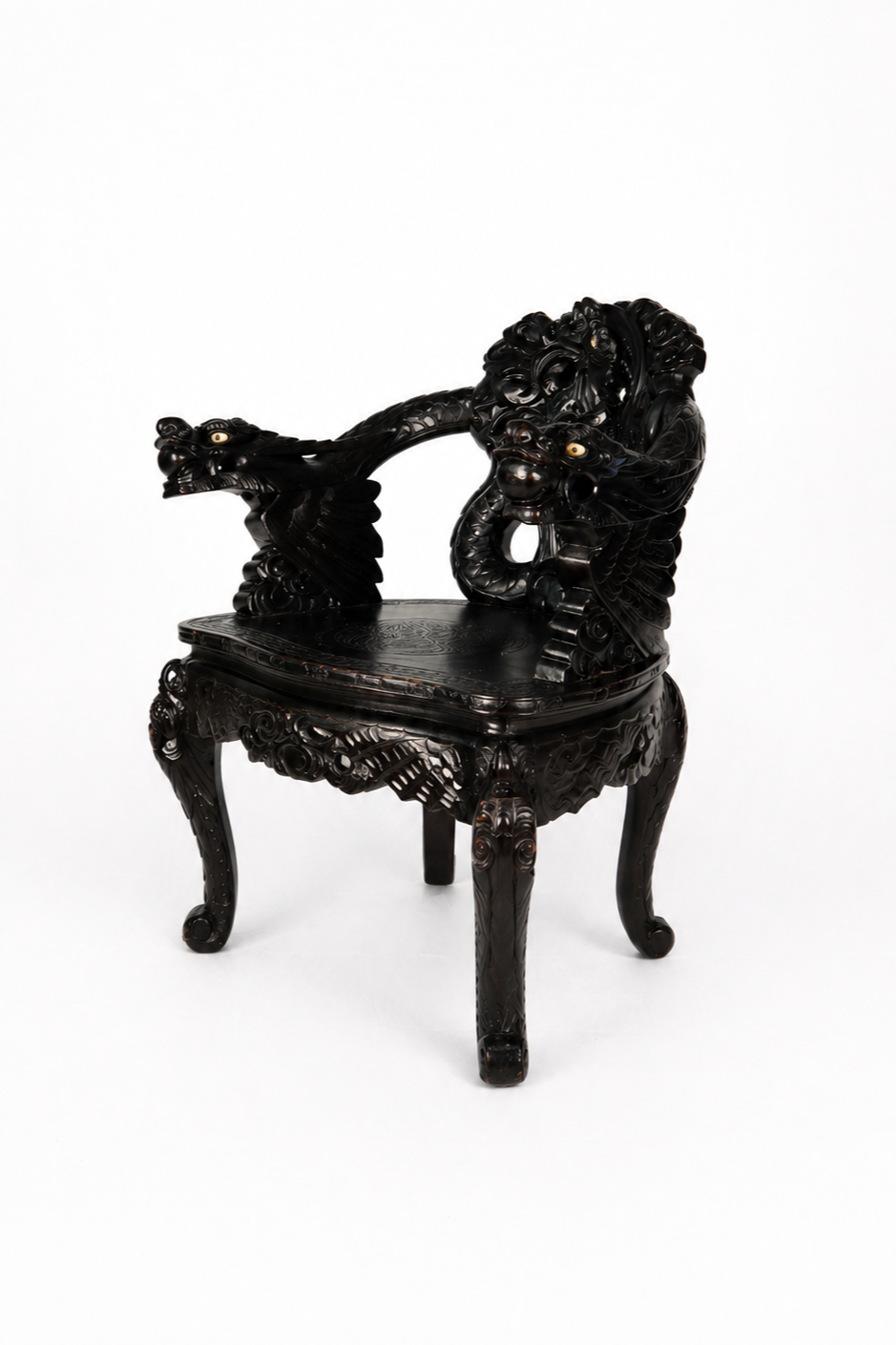
Oriental, Chinoiserie and Indochine ceramics, artworks, ornaments and furniture.
Quirky souvenirs, collectables, and bric-a-brac from across the globe - from mugs and glassware, to plates, t-shirts, tea-towels, trophies, and music boxes.
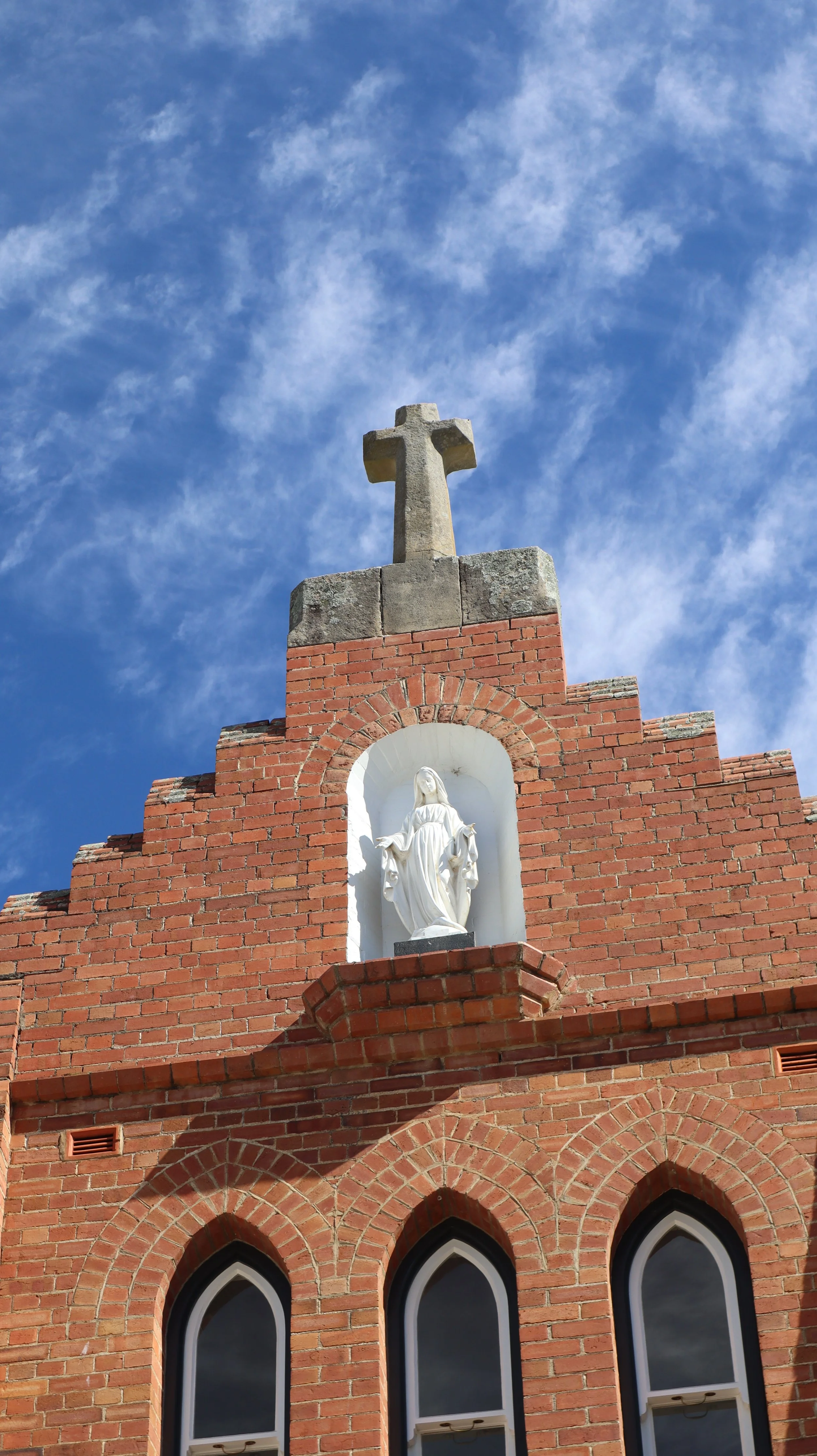
Religious paraphernalia.
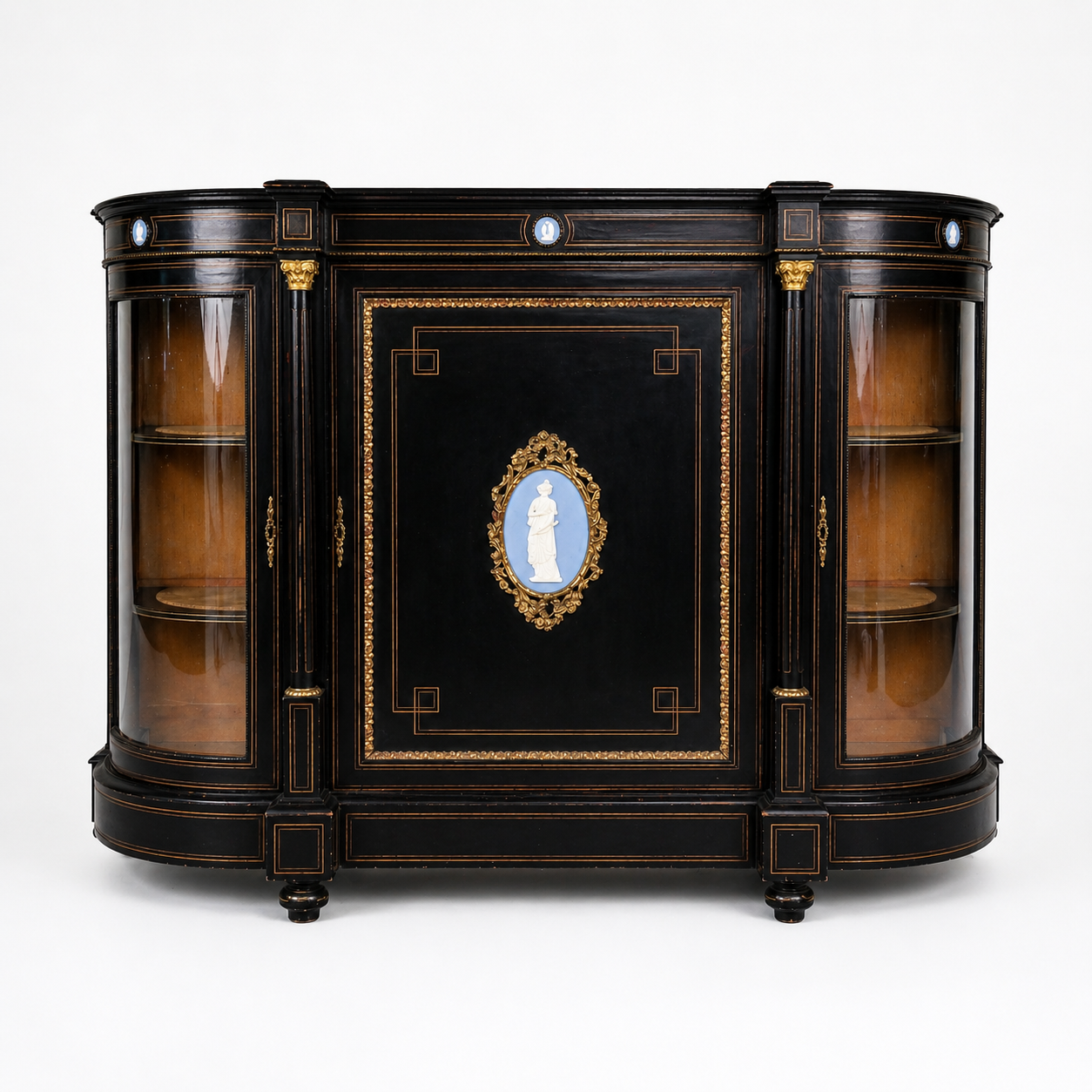
Sideboards. A whole lot of them. All stunning. All enormous.
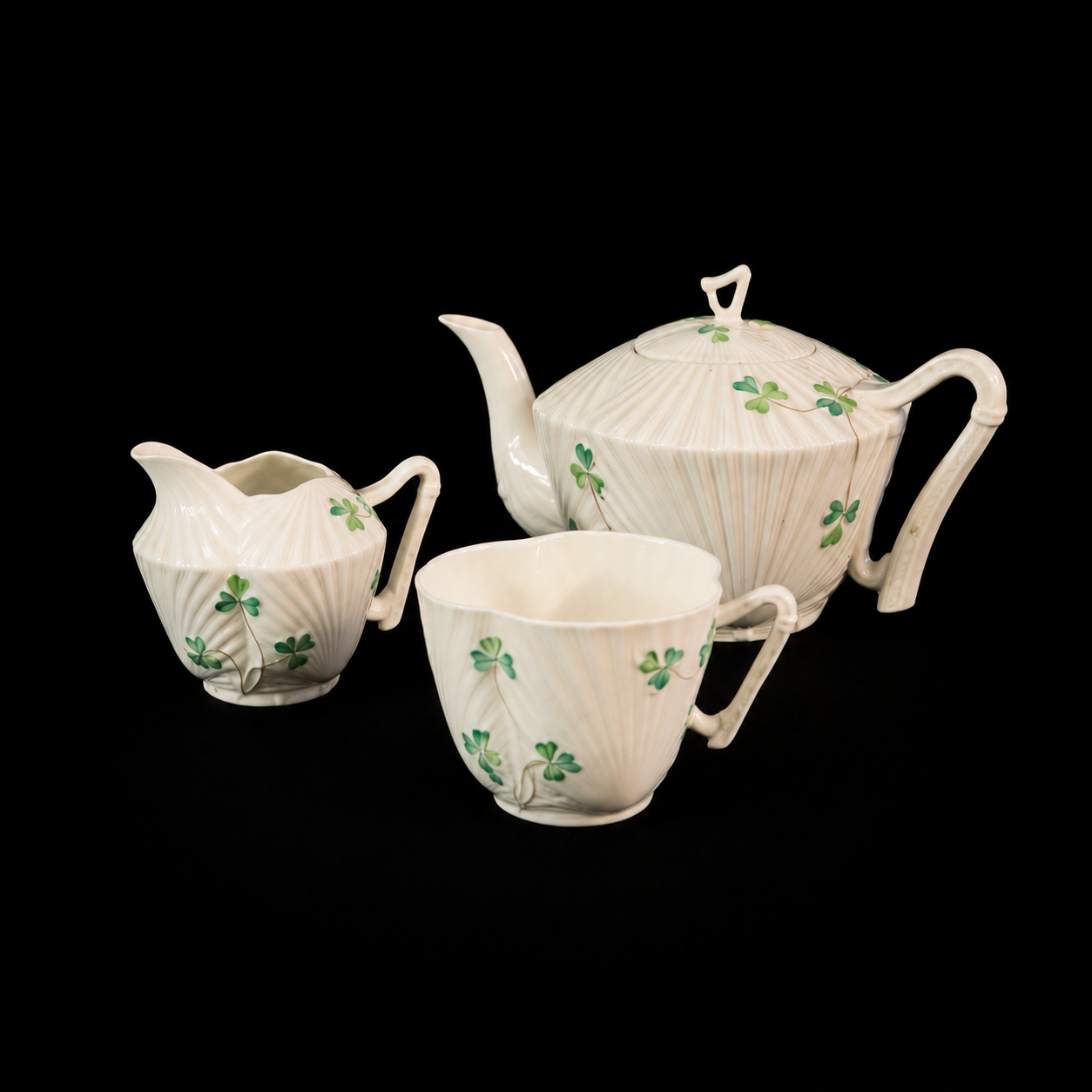
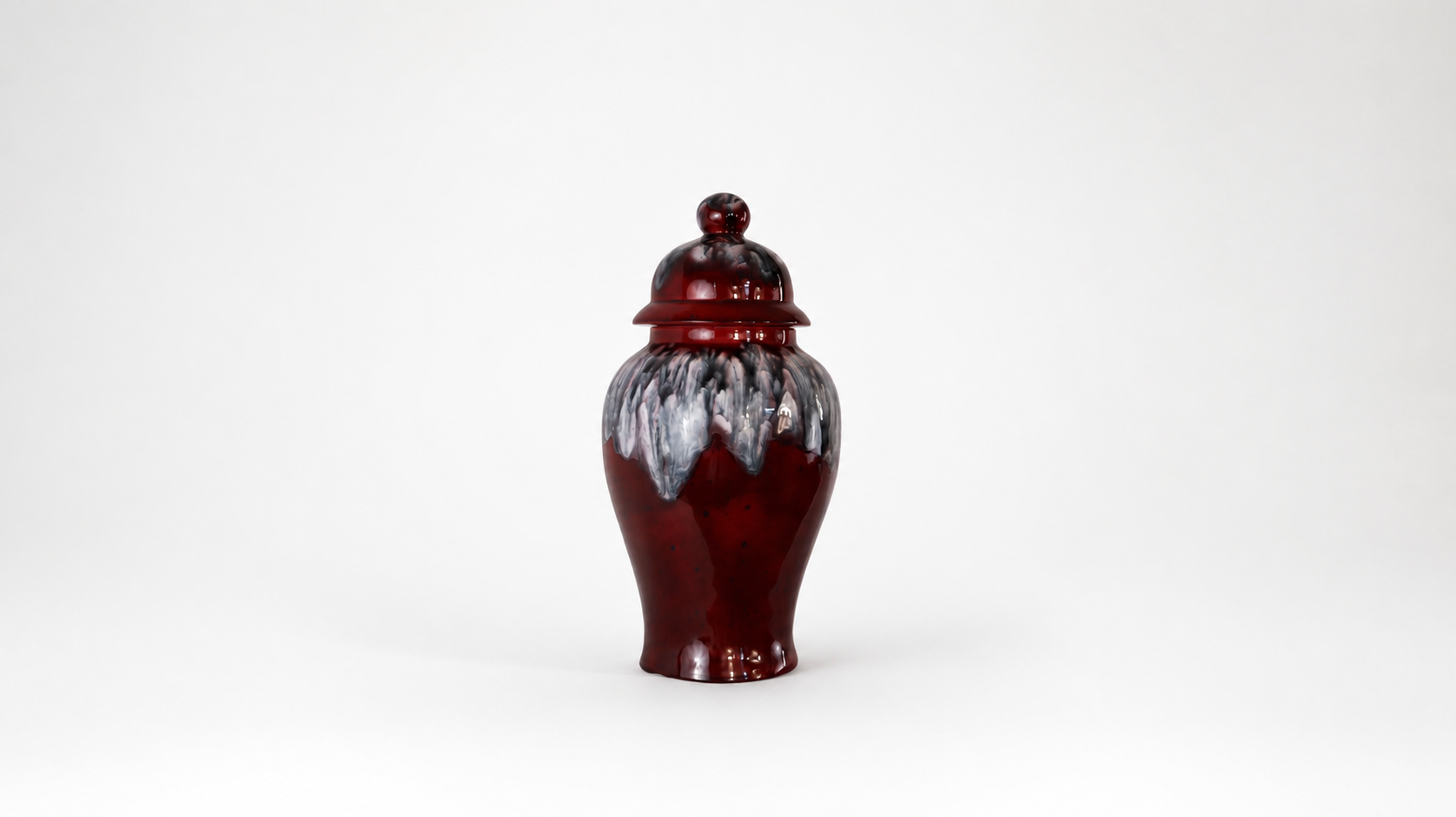
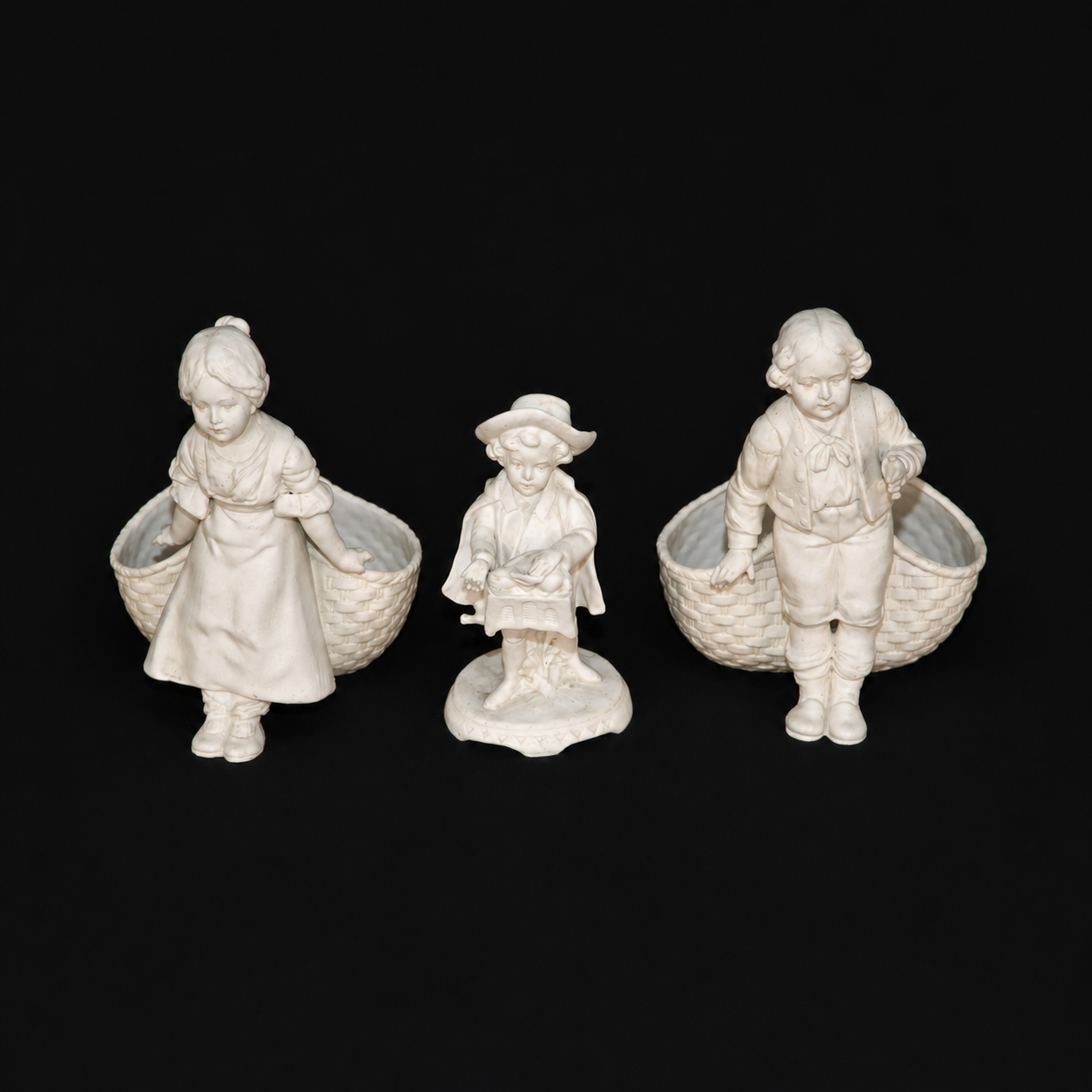
Ceramics - from crockery to planters to vases to sculptures and figurines, the Convent ceramic collection is comprised of an array of Bavarian, French, Japanese, Chinese, Irish, and English wares.
Rare and antique books.
-
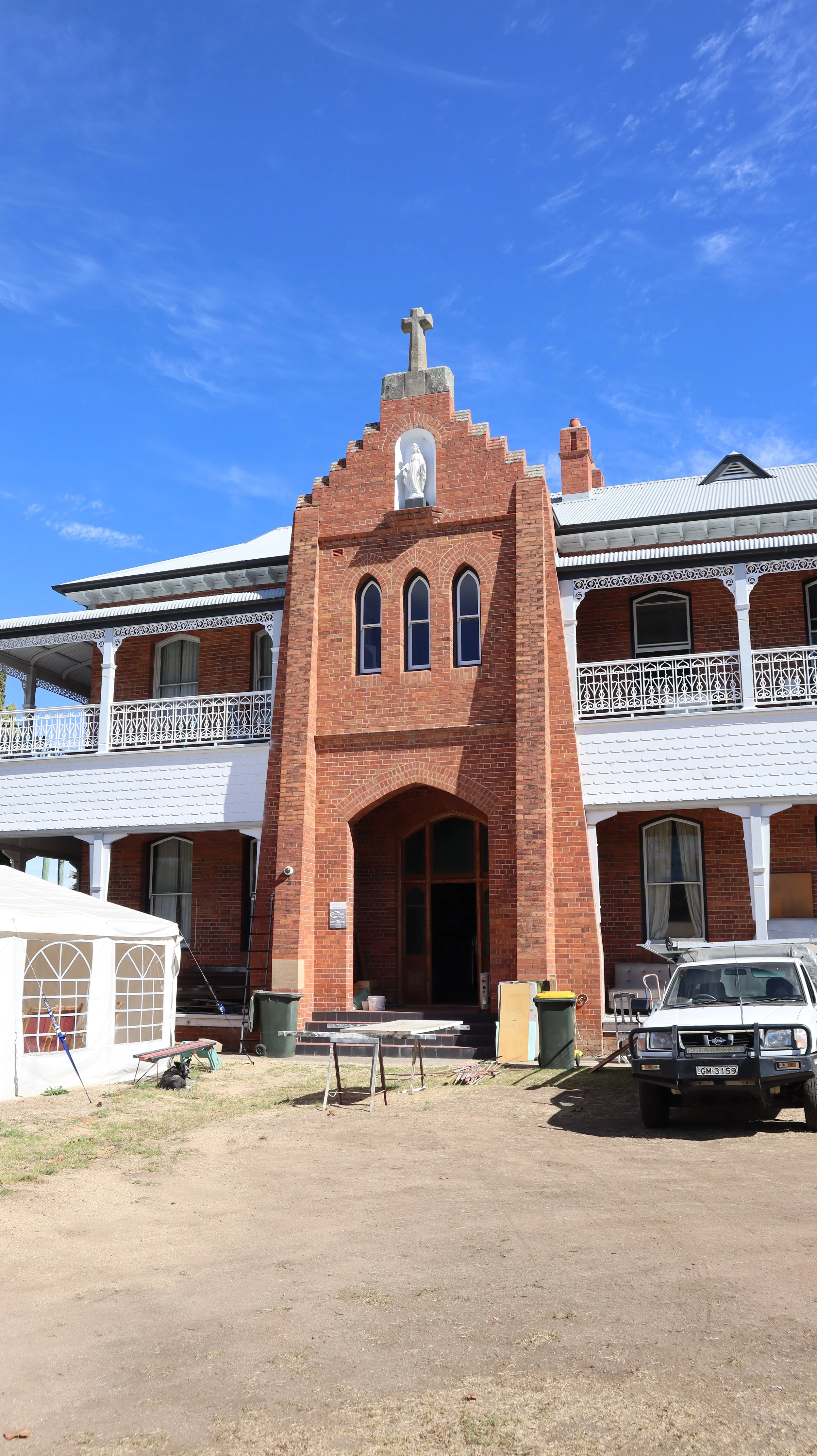
The Convent is located at 67-69 Vivian Street Inverell, NSW. The town is on Kamilaroi Country, near the Cauwban Cooningal (Macintyre River).
-
Following the colonisation of the New England North West area, and the emergence of Inverell as a township, Egan House was built by the town’s first “Sherriff”, Charles Egan. It was the first brick building in the town. Later, Egan built a cordial factory at the rear of the building. We’re still finding relics (mostly glass bottles) from this endeavour buried across the site.
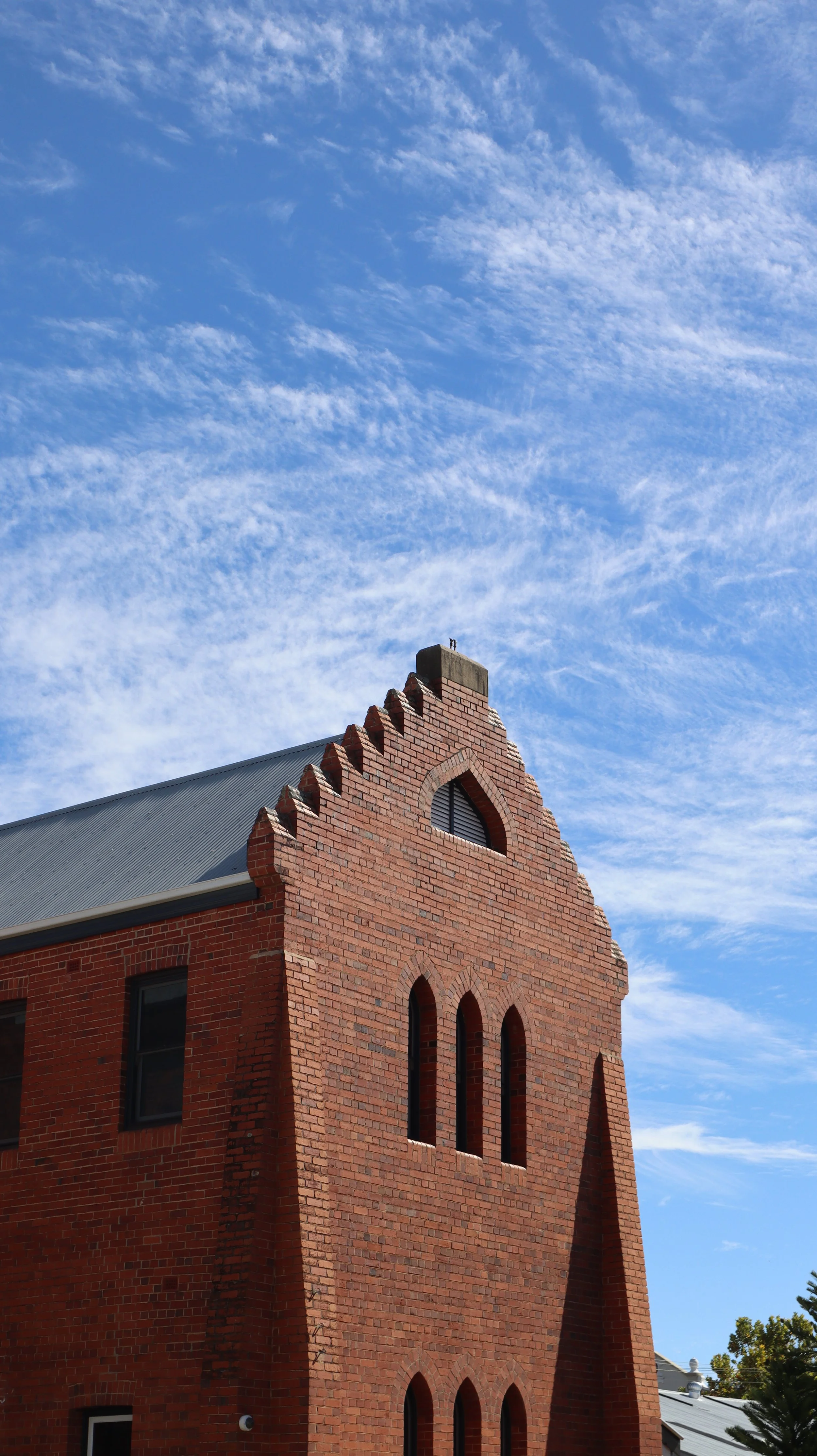
The site now known as Convent emerged in the 1900s as an ambitious ecclesiastical and educational project in the early twentieth century, arising alongside the rapid expansion of Inverell itself. By 1908, Inverell was widely imagined as a booming regional centre whose future prosperity would be secured through agriculture, grazing, mining, and closer settlement. Contemporary accounts described the town as poised for dramatic growth, with expanding civic ambitions and a population expected to increase substantially in the coming decades. It was within this atmosphere of optimism and regional consolidation that the Sisters of Mercy sought to replace their inadequate timber convent with a substantial new building befitting both the scale of their work and the growing importance of Inverell within the Armidale Diocese.
The Sisters of Mercy had arrived in Inverell around the late nineteenth century and, over nearly two decades, became deeply embedded in the social and educational life of the district. Contemporary reports described them as beloved “by all classes of the community” for their educational work, care for the poor, and devotion to the sick. By the early 1900s, however, their existing accommodation had become untenable. Later historical accounts recalled that the old timber convent was so overcrowded that the nuns were sleeping on verandahs while boarders occupied the dormitories.
In response, plans were made for a major new convent complex at 69 Vivian Street. The foundation stone was laid on 22 November 1908 by Bishop O’Connor in what newspapers described as one of the most significant convent-building projects undertaken in the Armidale Diocese in many years. The proposed structure was envisioned not merely as accommodation for the Sisters, but as an architectural statement aligned with the progress and aspirations of the wider district. During the foundation ceremony, Bishop O’Connor explicitly linked the new convent to Inverell’s anticipated future growth, arguing that church buildings should stand “in keeping with their surroundings” and the expanding importance of the town.
Constructed by George Nott of Armidale — whose brickworks at Goonoowigall supplied local materials — the convent was built as a substantial double-brick structure modelled on the convent at Gunnedah. Before electricity arrived in Inverell, the building was illuminated entirely by gas lighting, with gas lamps plumbed throughout both the convent and chapel. The scale and permanence of the building reflected both institutional confidence and the role Catholic education played in shaping regional life across northern New South Wales.
As enrolments and boarding demands increased, the site expanded further. In 1928, a major addition was constructed on the north-western side of the convent to accommodate a boys’ boarding college. Designed by J. F. O’Connor and again built by Nott Bros of Armidale, the extension was carefully integrated into the existing architecture so that the enlarged structure appeared as a seamless whole. The new facilities included dormitories, dining rooms, kitchens, bathrooms, and service spaces designed to support boarders arriving from across the north-west for primary education. The complex became an important educational and social institution within the region, embodying both religious mission and the infrastructural role of boarding education in dispersed rural communities.
For much of the twentieth century the convent remained active under the stewardship of the Sisters of Mercy. However, by the late 1970s the scale and maintenance demands of the aging complex had become increasingly difficult to sustain. The Sisters vacated the site in January 1980 because the buildings required extensive repairs and had become economically unmanageable to maintain. Yet the site continued to serve a community function. In 1981 it was repurposed as a lodge providing care for intellectually disabled residents, operating in this capacity until the late 1990s.
A period of decline and near-abandon followed. Purchased in 2002 by an overseas owner who undertook little maintenance, the buildings deteriorated severely over the next fourteen years.
Acquired by Gabriel Sheridan, an American attorney and a devout Catholic with only passing connection to the town, the owner’s specific intentions for the property and his reason for purchasing it remain a bit of a mystery. Though he visited occasionally, little is known locally about Gabriel. However, given the objects that, over the course of two decades, were shipped to and stored at the Convent, it’s clear that he had (perhaps overly) ambitious plans to restore the building and to transform it into a place of grandeur and opulence.
What we do know about Gabriel is stitched together mostly from bits and pieces, photographs, and paper trails. And, of course, his collection.
By the time we purchased the property in 2017, the convent and boarding house had become almost derelict and effectively uninhabitable. Though dilapidated, we saw the convent as a place that still stood tall and proud — a building carrying immense historical and emotional significance for Inverell and the wider New England region. We understand our role in the restoration not simply as owners, but as custodians of a site that had shaped generations of community life. Our intentions, beyond renovating the Convent buildings, are to carefully restore their dignity, recover their architectural integrity, and ensure their long-term survival as a living part of Inverell’s cultural landscape.
-
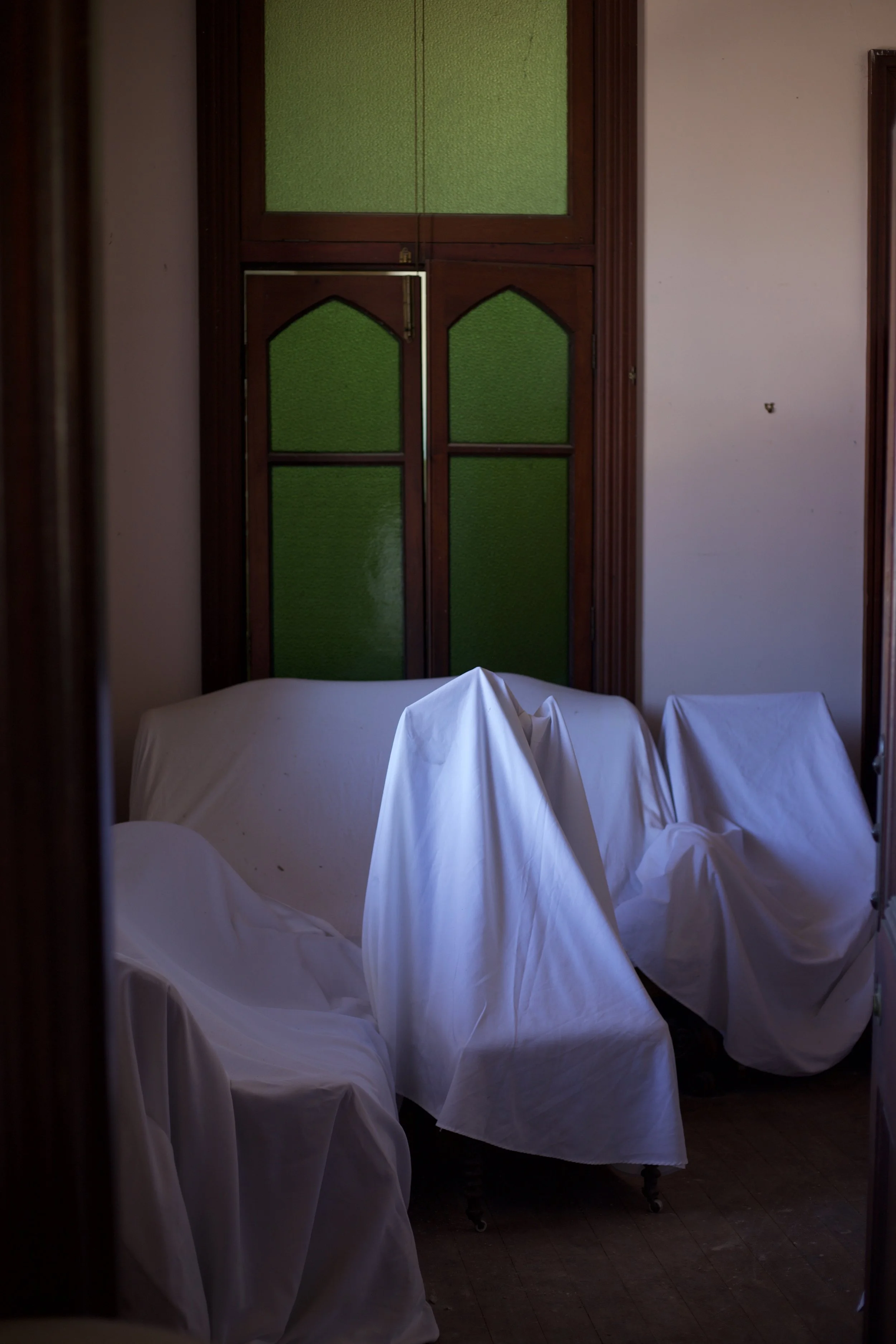
Unbeknownst to most - apart from the few in town that knew Gabriel and the freighters who delivered objects to the Convent - the former owner had filled it to the brim with vintage and antique furniture, homewares, and bric-a-brac from across the globe: an enormous and seemingly chaotic array of objects that span eras and continents and aesthetics styles. Some treasure, some trash, others somewhere in between.
When it came to collecting, Gabriel’s philosophy seemed to be the more the better, across the board. When it came to furniture, specifically sideboards and cabinets, it was also: the bigger the better. His taste, meanwhile, was eclectic, eccentric, and ecclesiastical.
-
After many years of neglect, we were lucky enough to purchase Inverell’s former Scared Heart Convent and its contents in 2017. The three buildings on the site were in varied states of disrepair.
The Inverell Convent Restoration Project is grounded in values of heritage conservation, regional stewardship, adaptive reuse, and cultural continuity. Rather than erasing the building’s layered history, the project seeks to honour the many lives the site has held — as convent, boarding institution, care facility, community landmark, and local curiosity — while giving it renewed relevance in the present. At a time when many significant regional buildings face neglect, demolition, or slow decay, the project stands as a commitment to the preservation of rural heritage and the belief that these places deserve thoughtful restoration and imaginative, long futures.
Two of the buildings located on the lot have been lovingly restored.
Egan House, “Lyndhurst”: Built in 1876 by Charles Egan, it is the only freestanding terrace home in Inverell. It is a two storey, 3 bed, 2.5 bath residence. The restoration of Egan House was featured on ABC’s Restoration Australia.
Federation House: Built in 1928 as an extension to the original Convent building as a boarding school premises. It has been repurposed into three apartments: a one bed loft, a spacious two bed, two bathroom, and a three bed, three bathroom apartment.
Both can now be booked for short-medium stay accommodation.
Meanwhile, the restoration of the third and final building - the original Convent - is underway. The building is a great old dame in need of a great deal of tender love and care.
The site’s transformation from Convent — to boarding institution, to care facility, to near ruin, and finally toward restoration — reflects wider histories of regional change in Inverell itself; histories of growth, decline, institutional withdrawal, endurance, and renewal. Today, the Convent exists as both a restoration project and a cultural experiment through the reactivation of a historically significant regional site through careful preservation, adaptive renewal, and a commitment to retaining the memory embedded within its architecture — and its curious contents.
You can stay up to date with our restoration journey here.
-
At present, purchases through our online store are limited to domestic orders.
Pick up from the Inverell Convent available for all items. Domestic shipping available, subject to weight and size restrictions.
Heavy and large items are only available for local pick up through online store purchase. Get in touch with us if you are interested purchasing one of these items and we can discuss available freight options and costs.
Ready to Own A Part of (Our) History?
If you are looking for a particular item or wish to view our collection, send us a message and let’s uncover a piece to fit that one particular nook, one that sparks your love and joy, or one your great-grandkids will marvel at.
A striking and architecturally refined Gothic Revival altar crucifix, likely French and dating to the late 19th or early 20th century. Cast in richly patinated brass and bronze-toned metal, the piece embodies the dramatic devotional aesthetics of the Gothic Revival movement, with trefoil terminals, intricate lattice-pattern ornamentation, and a sculptural corpus of Christ rendered with remarkable softness and anatomical sensitivity.
The crucifix rises from an elegant flared altar base with four stylised feet, giving the piece a strong ecclesiastical presence reminiscent of cathedral furnishings and chapel altar appointments of the period. Delicate quatrefoil motifs and engraved geometric detailing run throughout the cross, while the elevated “INRI” plaque and elongated figure of Christ lend the work a solemn, contemplative gravity.
Equally compelling as a devotional object, sculptural artwork, or interior statement piece, this crucifix would sit beautifully within Gothic, ecclesiastical, maximalist, monastic, or old-world interiors. Its scale and craftsmanship give it genuine presence — far beyond the lightweight decorative reproductions commonly encountered.
A deeply atmospheric object with both sculptural and spiritual resonance.
Condition: Presents beautifully with age-appropriate patina, surface wear, and minor irregularities consistent with age and devotional use.
Origin: French
Production Period: 1890-1910.
Dimensions: 63 × 29.5 × 28cm